
☰
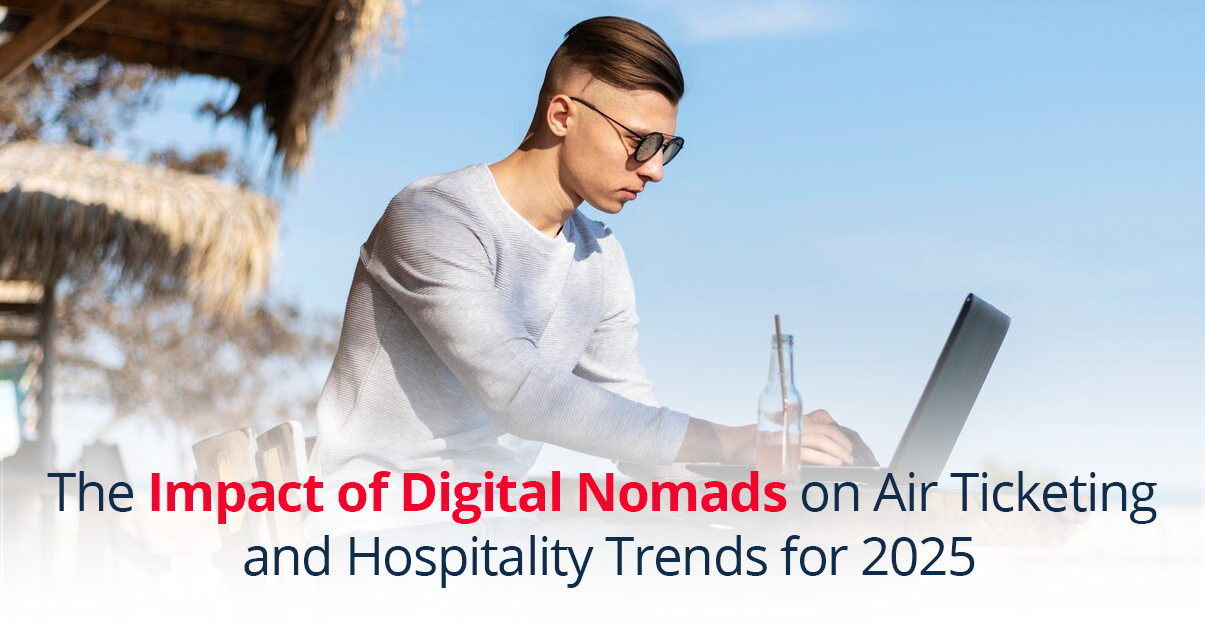
The rise in the number of digital nomads has changed how people travel affecting how airlines and hotels do business today. As remote work and technology gets better every day, more companies are now allowing flexible works, making digital nomads play a big role in the travel world. As we enter into 2025, the digital nomads keep shaping air ticket sales and hotel trends across the globe making, businesses rethink how they serve this growing group.
Who are the Digital Nomads?
Digital nomads are individuals who use tech to work from anywhere while they travel to different places. They often move between countries looking for spots with cheap living costs good internet, and a nice work-life mix. This way of life has grown thanks to more remote work options shared workspaces, and better digital setups around the world.
The Digital Nomad Effect on the Tourism Industry The growing number of digital nomads has caused a change in tourism trends. Unlike regular tourists who take short trips digital nomads stay in places for longer stretches, which leads to ongoing economic benefits. Countries like Portugal Thailand, and Indonesia have reacted by rolling out digital nomad visas to draw in remote workers. Impact on Air Ticketing Trends in 2025 Here is how the rise in digital nomads is impacting air ticket trends across the globe.
1. Flexible and Subscription-Based Ticketing: Digital nomads like flexible travel options so airlines now offer subscription-based and multi-destination ticketing models. Companies such as Lufthansa and Qatar Airways have rolled out flexible travel passes that suit remote workers who often move between locations.
2. Rise of Secondary Airports and Lesser-Known Destinations: To cut costs and steer clear of busy airports digital nomads more and more choose secondary airports and up-and-coming destinations. Airlines are changing their routes and growing their services to smaller cities where remote work communities are on the rise.
3. Demand for Work-Friendly Flights: Airlines are making their in-flight connectivity better and creating cabins that work well as workspaces. They now provide high-quality Wi-Fi and quiet areas for professionals who need to work while they fly.
Hospitality Trends Driven by Digital Nomads in 2025 Here’s how digital nomads are shaping the hospitality trends in 2025.
1. Long-Term Stay Accommodations: Hotels and serviced apartments now cater to digital nomads. They offer extended-stay packages with lower rates shared work areas, and office setups in rooms.
2. Hybrid Co-Living Spaces: Co-living catches on combining lodging and workspaces. Firms like Selina and Outsite grow blending hospitality with remote work culture.
3. Focus on Sustainability and Wellness: Digital nomads seek eco-friendly travel and health-centred lodging. Green hotels with earth-friendly practices and wellness centres that provide yoga, mindfulness sessions, and comfortable work areas see high interest.
Goa: A Heaven for Digital Nomads India is also witnessing a rise in digital nomads, especially with Goa emerging as one of the leading destinations for remote employees. Known for its beautiful beaches, laid-back lifestyle, and vibrant community, Goa has become a preferred location for digital nomads looking for an affordable yet scenic place to work and live. Here are some of the reasons why Goa is gaining attention from digital nomads.
1. Growing Infrastructure: Several co-working spaces, such as Clay, NomadGao, and 91springboard, have opened across Goa, offering high-speed internet, networking opportunities, and work-friendly environments.
2. Government Policies: Recognizing the potential of this growing workforce, the Goa government is working on policies to facilitate long-term stays for remote workers. Discussions around digital nomad visas, tax benefits, and improved digital infrastructure are ongoing to make Goa a more attractive hub for global remote professionals.
3. Community-Driven Approach: Goa has become a thriving hub for networking events, skill-sharing workshops, and co-living communities designed to help digital nomads connect and collaborate. The Way Forward Digital nomadism keeps changing how people travel, so airlines and hotels need to come up with new ideas to keep up. Airlines should work on making their booking systems more flexible, and hotels need to offer places where people can both work and live. Governments might also start more visa programs for remote workers making it easier for digital nomads to move around the world.
Conclusion Digital nomads may have a big impact on how people book flights and stay in hotels in the year 2025. As travellers want different things, businesses that change to meet the needs of this growing group will do well. This could mean offering flights that can be changed, places to stay that are good for working, or running hotels in a way that's good for the environment. The travel industry needs to keep coming up with new ideas to fit with how people will work and travel in the future.