
☰
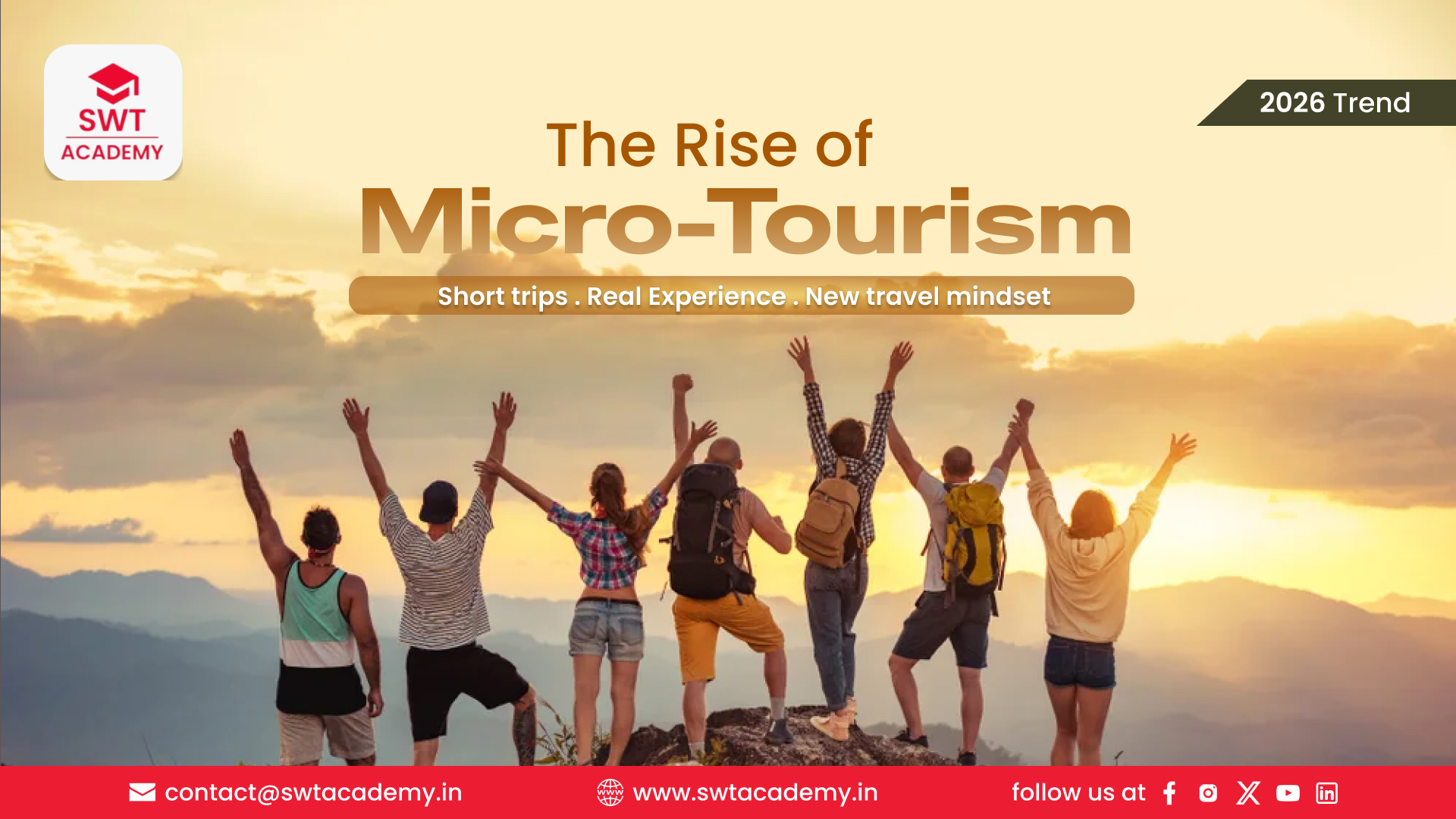
The travel industry is evolving rapidly in 2026, and one of the most noticeable shifts is the rise of micro-tourism. Instead of long, expensive vacations, Gen Z is choosing short, frequent, and experience-driven trips.
This change reflects a deeper shift in priorities—where travel is no longer about luxury, but about flexibility, affordability, and meaningful experiences.
Micro-tourism refers to short-duration trips, usually within nearby destinations, that are easy to plan and budget-friendly.
These trips focus on:
• Local exploration
• Quick getaways
• Experience over distance
It allows travelers to explore more without waiting for long holidays.
Gen Z is reshaping travel behavior in multiple ways:
1. Experience Over Luxury
They prefer authentic experiences like local food, culture, and hidden destinations rather than luxury stays.
2. Budget-Friendly Travel
Short trips reduce overall expenses, making travel more frequent and accessible.
3. Social Media Influence
Viral content is turning offbeat places into popular travel spots, boosting local tourism.
4. Sustainable Choices
There is a growing focus on eco-friendly and responsible travel.
These trends are directly influencing how the tourism industry is evolving.
As travel trends change, the industry now looks for professionals with practical, job-ready skills.
Key Skills Include:
• Customer experience management
• Communication and interpersonal skills
• Digital marketing & social media understanding
• Travel planning and itinerary design
• Awareness of sustainable tourism
The focus has shifted from theoretical knowledge to hands-on learning and industry exposure.
Tata Institute of Social Sciences offers programs designed to match current industry needs, especially in tourism and hospitality.
Key Benefits:
• Earn While You Learn model
• Internship in every semester
• Stipend support
• Industry-oriented curriculum
• Strong focus on practical learning
Bachelor in Hotel Management
A 3-year program open to all streams, offering real hotel exposure, internships, and stipend support.
Bachelor in Travel & Tourism
Focused on industry training, field exposure, and developing skills required in a growing tourism sector.
The rise of micro-tourism clearly shows how Gen Z is redefining travel with a focus on experiences, affordability, and flexibility.
For students, this creates new opportunities—but also a need to be equipped with the right skills. Choosing a program that offers practical exposure and industry relevance is key to building a successful career in this evolving field.