☰
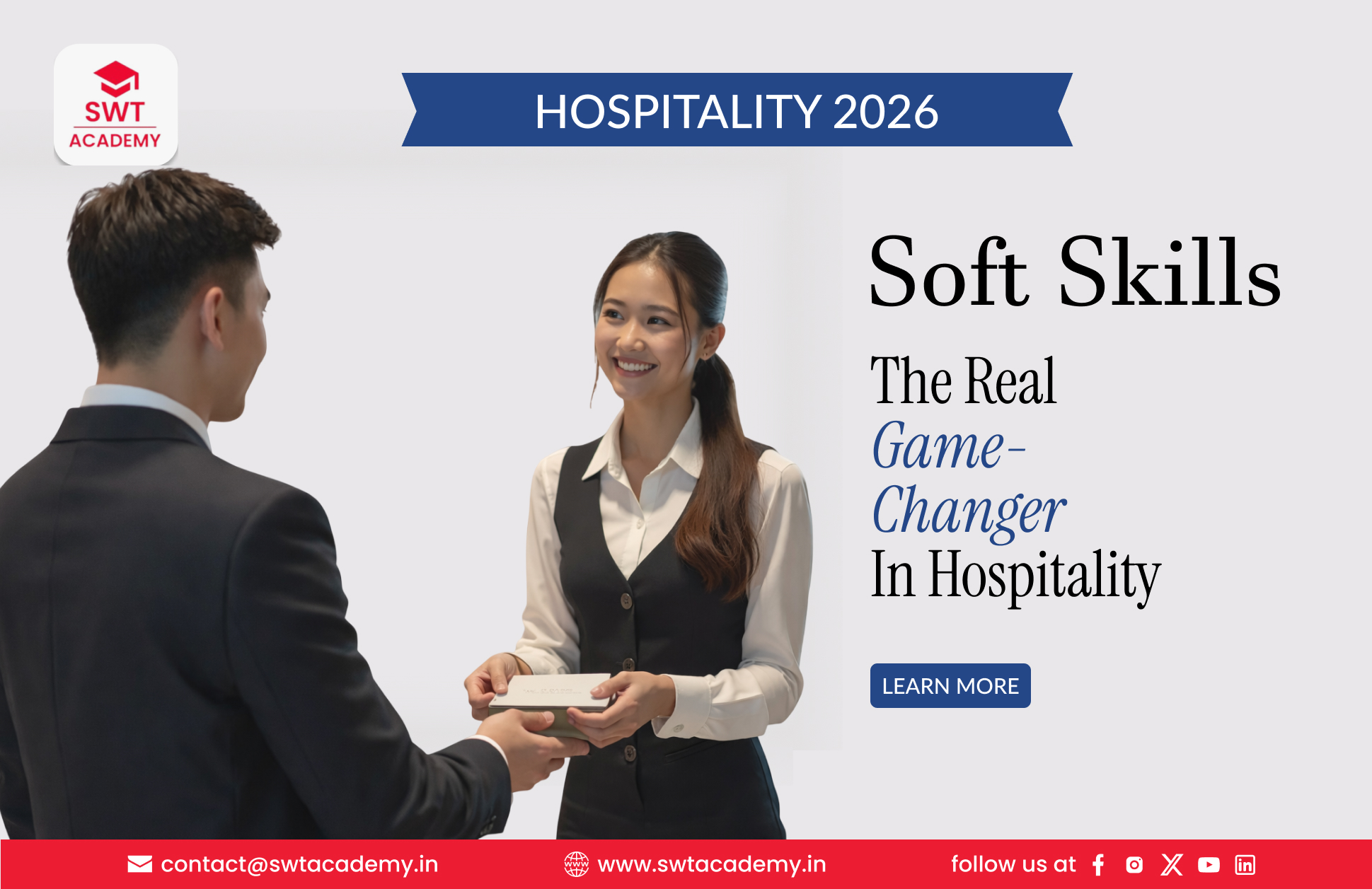
The hospitality industry in 2026 is undergoing a major transformation. While technical knowledge and operational skills remain important, the real differentiator today is soft skills.
From guest relations to conflict resolution, employers now prioritize how professionals communicate, empathize, and adapt. This shift reflects a deeper industry truth—hospitality is not just about service, it’s about human connection.
Soft skills refer to personal attributes and interpersonal abilities that help professionals interact effectively with others.
In hospitality, these include:
• Communication skills
• Emotional intelligence
• Cultural awareness
• Problem-solving ability
These skills directly impact guest satisfaction and overall experience.
The demand for soft skills is increasing due to changing industry expectations:
1. Guest Experience is the Priority
Today’s guests expect personalized and memorable experiences, which require strong interpersonal skills.
2. Diverse Global Audience
Hospitality professionals interact with people from different cultures, making cultural intelligence crucial.
3. Technology Can’t Replace Human Touch
While automation is growing, empathy and human connection remain irreplaceable.
4. Real-Time Problem Solving
Handling complaints and unexpected situations requires patience, communication, and quick thinking.
This evolution is redefining what it means to be “skilled” in hospitality.
To succeed in today’s industry, students must develop:
• Effective verbal and non-verbal communication
• Active listening and empathy
• Teamwork and collaboration
• Adaptability in fast-paced environments
• Conflict resolution skills
These are now considered core competencies, not optional add-ons.
Educational institutions are redesigning their curriculum to focus more on practical and behavioral training.
Modern programs now include:
• Role-playing and real-life simulations
• Group projects and team-based learning
• Industry internships
• Personality development sessions
The goal is to prepare students for real-world interactions, not just theoretical exams.
Tata Institute of Social Sciences focuses on holistic development, combining technical knowledge with essential soft skills.
Key Benefits:
• Earn While You Learn model
• Internship in every semester
• Stipend support
• Industry-oriented curriculum
• Strong focus on personality and communication development
This approach ensures students are industry-ready from day one.
Bachelor in Hotel Management
A 3-year program designed to build both operational expertise and strong interpersonal skills through real industry exposure.
Bachelor in Travel & Tourism
Focused on communication, cultural understanding, and practical training aligned with current industry needs.
In 2026, soft skills are no longer secondary—they are the foundation of a successful career in hospitality.
As the industry becomes more experience-driven, professionals who can connect, communicate, and empathize will stand out. For students, this means choosing an education that goes beyond textbooks and builds real-world human skills essential for long-term success.