
☰
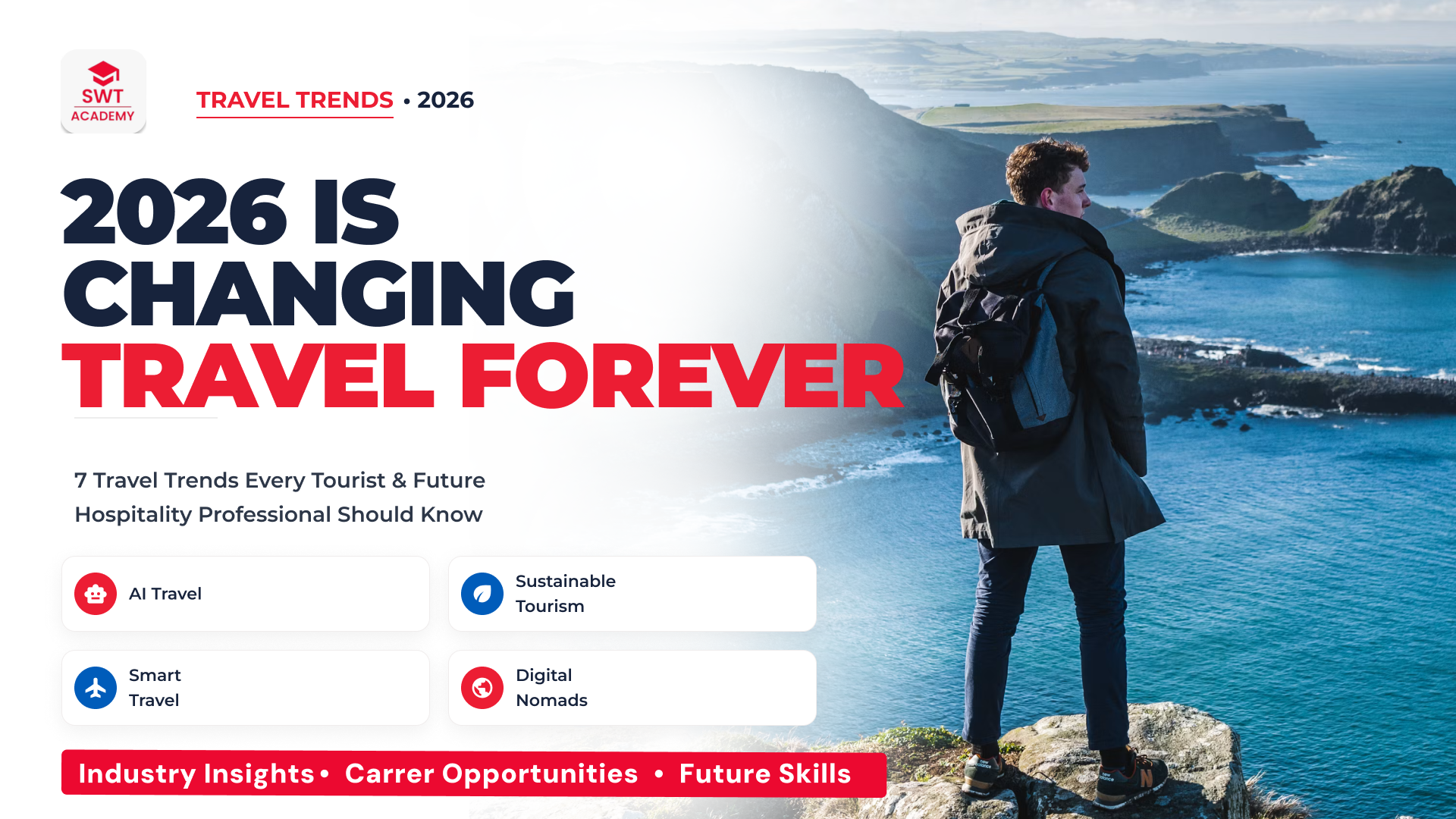
Imagine planning your entire vacation in just a few minutes.
Your itinerary is created using Artificial Intelligence, your hotel recommends personalized local experiences, your digital travel documents are stored securely on your phone, and your journey focuses on supporting local communities while reducing environmental impact.
This is no longer a glimpse into the future—it's becoming the new reality of travel.
The global tourism industry is entering a transformative phase where technology, sustainability, personalization, and experiential travel are redefining how people explore the world. Travellers today are no longer satisfied with simply visiting famous attractions. They want meaningful experiences, authentic cultural connections, flexibility, and memorable journeys that go far beyond sightseeing.
From AI-powered travel planning and eco-friendly tourism to digital nomad lifestyles and budget-friendly adventures, 2026 is shaping up to be one of the biggest years for tourism in recent history.
This evolution is also creating exciting career opportunities across hotels, airlines, travel agencies, luxury resorts, event management companies, cruise lines, destination management organizations, and global hospitality brands.
Students can explore this fast-growing industry through the Tourism & Hospitality programs offered under Tata Institute of Social Sciences School of Skill Education (SSE), facilitated by SWT Academy.
If you're passionate about travel, customer experiences, hospitality, culture, and global opportunities, Tourism & Hospitality could be one of the most rewarding career choices after the 12th.
The tourism industry is evolving rapidly, driven by changing traveller expectations and innovative technologies. Here are the trends transforming the future of travel.
Artificial Intelligence has become one of the biggest game changers in tourism.
Instead of spending hours researching flights, hotels, attractions, and transportation, travellers can now use AI-powered platforms to create customized travel itineraries based on their interests, budget, travel style, and available time.
AI is helping travellers by:
Technology is making travel planning faster, smarter, and far more convenient than ever before.
Modern travellers want to explore the world while protecting it.
Sustainable tourism has shifted from being a trend to becoming an essential part of responsible travel. More tourists are choosing eco-friendly accommodations, supporting local businesses, reducing plastic waste, and participating in conservation-focused experiences.
Popular sustainable travel practices include:
Today's travellers understand that responsible tourism benefits both destinations and future generations.
People no longer travel just to take photographs.
They want unforgettable memories.
Travellers now seek authentic experiences that immerse them in local culture, traditions, food, art, and everyday life.
Popular experiential travel trends include:
These immersive experiences create stronger emotional connections with destinations and encourage repeat visits.
Remote work has transformed the way people travel.
Professionals can now work from beaches, mountains, heritage cities, and international destinations while maintaining their careers online.
Countries across the world are increasingly supporting long-term visitors through remote work-friendly policies, co-working spaces, reliable internet infrastructure, and flexible accommodation options.
This growing lifestyle has created demand for:
Tourism is no longer limited to vacations—it's becoming part of everyday life.
Affordable travel doesn't mean compromising on quality.
Travellers are becoming more strategic by comparing prices, booking during off-peak seasons, using travel rewards, and choosing experiences that offer greater value.
Smart budget travel includes:
Technology has made quality travel accessible to a wider audience than ever before.
For many travellers, vacations are no longer just about sightseeing—they're about feeling healthier, happier, and more balanced.
Wellness tourism includes experiences such as:
As people increasingly prioritize mental and physical well-being, wellness tourism continues to expand across the globe.
Destinations are becoming smarter through digital innovation.
Smart tourism integrates technology to improve convenience, safety, accessibility, and visitor experiences.
Examples include:
These innovations help travellers enjoy smoother and more efficient journeys.
Tourism has evolved far beyond transportation, hotels, and sightseeing.
Today's travellers seek authenticity, personalization, sustainability, and meaningful experiences that create lifelong memories.
Hotels are curating local cultural activities.
Travel companies are designing personalized itineraries.
Destinations are promoting responsible tourism.
Airlines are enhancing digital customer experiences.
Hospitality brands are investing in immersive guest engagement.
Success in modern tourism is no longer measured only by the number of visitors—it is measured by the quality of experiences delivered.
As tourism continues to expand globally, career opportunities are becoming more diverse, innovative, and international.
Students can explore careers in:
Employers today seek professionals who combine communication skills, customer service excellence, digital awareness, creativity, and practical industry knowledge.
The future of Tourism & Hospitality belongs to professionals who can adapt to changing industry trends and deliver exceptional customer experiences.
While theoretical knowledge provides a strong foundation, employers increasingly value practical exposure, workplace readiness, communication skills, problem-solving abilities, and industry experience.
The Tourism & Hospitality programs offered under Tata Institute of Social Sciences School of Skill Education (SSE), facilitated by SWT Academy, help students develop industry-ready skills through:
This industry-oriented approach prepares students for rewarding careers across hotels, airlines, tourism companies, travel agencies, event management firms, luxury resorts, cruise lines, and global hospitality brands.
The tourism industry is entering one of its most exciting chapters.
Artificial Intelligence is simplifying travel planning.
Sustainable tourism is protecting destinations for future generations.
Experience-driven travel is creating unforgettable memories.
Digital nomad lifestyles are reshaping global mobility.
Smart technologies are making travel more seamless and personalized.
Together, these trends are transforming tourism into one of the world's most dynamic and opportunity-rich industries.
For students, entrepreneurs, and aspiring professionals, this transformation opens the door to exciting careers that combine innovation, culture, technology, hospitality, and global experiences.
2026 is not just another year for tourism—it's a turning point for the global travel industry.
As technology continues to redefine travel experiences, sustainability becomes a shared responsibility, and travellers seek deeper connections with people and places, the future of tourism has never looked more promising.
For students who dream of building a career filled with creativity, international exposure, customer interaction, and endless learning opportunities, Tourism & Hospitality offers a pathway filled with growth and possibilities.
Through the Tourism & Hospitality programs offered under Tata Institute of Social Sciences School of Skill Education (SSE), facilitated by SWT Academy, students can gain the practical skills, industry exposure, and professional confidence needed to succeed in this rapidly evolving industry.
If you're looking for a career that combines travel, innovation, hospitality, people skills, and global opportunities, Tourism & Hospitality is more than an industry—it's the future of unforgettable experiences.